A home-made diet must not be improvised but formulated by a specialist who has the skills to provide all the recommendations for meeting the animal’s energy and nutritional requirements.
2
Use fresh ingredients
The home-made diet for dogs and cats is based on the use of meat, fish, vegetable oils and animal fats, vegetables, fruit, but also eggs, dairy products and carbohydrates, which must be provided in sufficient quantities to guarantee the animal receives energy and essential nutrients such as proteins, fats, vitamins and minerals.
3
Use vitamin and mineral supplements
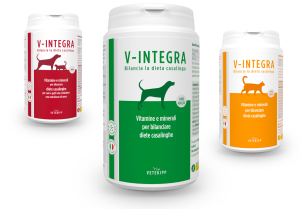
Notwithstanding the use of various ingredients, the home-made diet will nevertheless be lacking in essential minerals and vitamins. Indeed, the ingredients used do not contain enough of them, or they are partly depleted during cooking, and for this reason it is important to add a suitably-formulated supplement every day to make the home-made diet complete and balanced. Nutritional deficiencies must be avoided to prevent problems with the animal’s health.
4
Monitor over time
The animal’s energy and nutritional needs may vary over time (due to sterilisation, changes of lifestyle, ageing, disease) and, for this reason, the home-made diet and vitamin-mineral supplement may require changes that will promptly be recommended by the nutritionist.
Does your vet know Vetekipp?
Download the reminder, print it and take it to your trusted veterinarian. He or she will be able to advise you on the next steps to take to start the balanced home-made diet.